The Impact of Hair Donation
Donating hair has a significant and transformative impact on the lives of individuals struggling with hair loss due to various medical conditions, including cancer, alopecia, and other health issues. Hair loss can be a devastating experience that affects not only physical appearance but also emotional well-being. The act of donating hair offers a practical way to help those in need, providing them with a tangible source of support and hope.
Numerous organizations accept hair donations and turn them into wigs, which provide a sense of normalcy and confidence for those affected. For many recipients, wearing a wig made from donated hair can restore their self-image and allow them to face the world with renewed courage. Personal stories abound of individuals who have received hair donations, illustrating the profound emotional uplift that a beautiful wig can bring during a challenging time. For instance, survivors of cancer treatment often share their gratitude for the wigs they receive, as these not only enhance their appearance but also symbolize resilience and recovery.
Statistics reveal that the need for hair donations is substantial. Organizations like Locks of Love and Wigs for Kids report thousands of requests for wigs annually from children and adults alike. Such numbers highlight a community in search of support, making each hair donation a gift that can change lives for the better.
Moreover, the act of donating hair fosters a sense of unity and social responsibility among donors. Individuals who choose to donate often promote awareness about the causes behind hair loss and encourage others to contribute. This collective effort not only raises awareness but also generates a supportive network of empathy and understanding, ultimately benefiting both donors and recipients alike.
Criteria for Donating Hair
When considering the act of donating hair, it is essential to understand the various criteria set by organizations that facilitate such donations. These guidelines help ensure that the donated hair is suitable for creating wigs or other necessary applications for individuals experiencing hair loss.
The first major requirement typically pertains to the length of the hair. Most organizations require a minimum length of 8 to 12 inches of hair. This measurement is taken from the tip to the point where the hair is secured in a ponytail or braid. Hair shorter than this length may not meet the necessary standards for donation and could be unsuitable for making wigs. Additionally, some groups may specify that the hair must be in one continuous length, emphasizing the need for a clean cut rather than layers.
Acceptable hair types also play a significant role in the donation process. Most organizations accept both colored and natural hair, but there are restrictions on chemically treated hair. For example, hair that has been subjected to perming or relaxing processes may be disqualified. Donors should also ensure that the hair is clean and free from any products, such as gels or sprays, that could compromise its quality. Furthermore, gray hair is often accepted, although it may not be the preferred choice for wig manufacturers.
Specific conditions may vary between organizations, making it vital for prospective donors to research the particular requirements of the charity they wish to support. Some groups may provide guidance on how to properly package and ship your hair to facilitate a smooth donation process.
The Donation Process: How to Do It Right
Donating hair is a meaningful way to contribute to those in need, particularly individuals suffering from medical conditions that result in hair loss. The process begins with selecting a reputable charitable organization that aligns with your donation goals. Numerous organizations accept hair donations, each with specific requirements regarding the type and length of hair they accept. Researching these charities ensures that your contribution is effectively utilized.
Once you have chosen a charity, the next step is to prepare your hair for donation. First, ensure that your hair is clean and dry, as damp hair is often unsuitable for donation. If you are considering a significant cut, it is advisable to consult a professional hairstylist. They can assist in measuring the appropriate length required for your desired style and the charity’s guidelines.
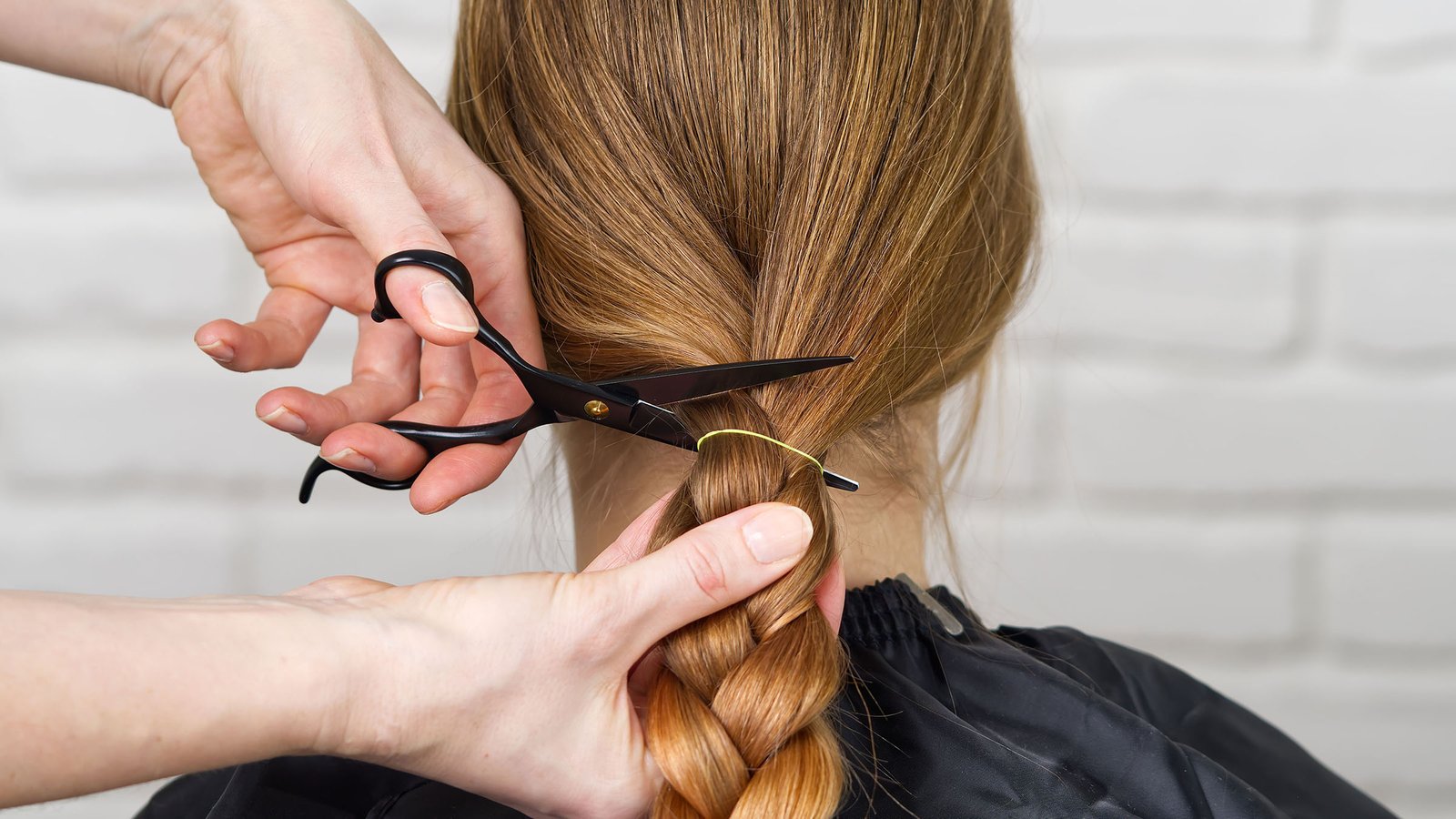
When cutting your hair, it should be taken in ponytails or braids to maintain structure and prevent tangling. Each ponytail or braid should meet the minimum length requirement set by the charity, typically ranging from 8 to 12 inches. After cutting, securely tie the hair with an elastic band to prevent any strands from slipping out.
Packaging your hair correctly is crucial for preserving its quality during transit. Place the cut hair in a resealable plastic bag, ensuring that it is free of any products or moisture. Label the bag with your name and contact information, if required by the charity. Finally, mail your donation to the designated address provided by the organization. Some charities may also have drop-off locations, which can expedite the process.
By following these steps, your donation of hair can truly transform lives and bring comfort to those who need it most. Understanding the donation process empowers you to make a meaningful contribution with confidence.
Inspiring Stories of Generosity
Donating hair is not just an act of generosity; it is a transformative experience that can change lives in profound ways. Many individuals have stepped forward to support those affected by hair loss due to medical conditions, and each donor’s story adds to a collective narrative of compassion and solidarity. One such inspiring story comes from a young woman named Lisa, who decided to donate her hair after witnessing a family member battle cancer. Her motivation stemmed from a desire to provide strength and hope during a particularly challenging time. Lisa felt that by donating her hair, she could offer a small measure of comfort to someone undergoing a life-altering experience. Her decision was based on the belief that a wig made from natural hair could help restore not just appearance, but also a sense of identity and self-esteem.
Another remarkable account is that of a teenager named Jake. After learning about a local charity that accepted hair donations for children with alopecia, he resolved to contribute. Motivated by his desire to help peers in difficult situations, Jake grew his hair out for two years. His journey was filled with moments of self-reflection, as he often stated that the experience taught him about patience and empathy. Jake’s story serves as a reminder that anyone can make a difference, regardless of age or background, and that the journey to donate hair can be as impactful as the act itself.
These personal stories exemplify the profound motivations behind donating hair. Many donors share a common goal: to uplift and support individuals facing hair loss. By celebrating such acts of kindness, we encourage more people to consider the impact they could have through their own donations. Through each lock of hair donated, donors not only give a physical gift but also a message of hope and solidarity.